How to Get to Manu National Park from Cusco: Tours & Tips (2026 Guide)
Reaching Manu National Park is, without a doubt, one of the most fascinating odysseys a traveler can undertake in South America. Unlike other Amazonian destinations where you simply land on a concrete airstrip, the journey to Manu is an epic transition that takes you from the frigid, jagged peaks of the Andes down into the pulsing heart of the tropical rainforest.
In this comprehensive guide, we will break down the route step-by-step, explain why professional tours are your best ally, and reveal the insider secrets you need to ensure your 2026 expedition is a resounding success.
The Epic Journey: Understanding the Route from Cusco to Manu
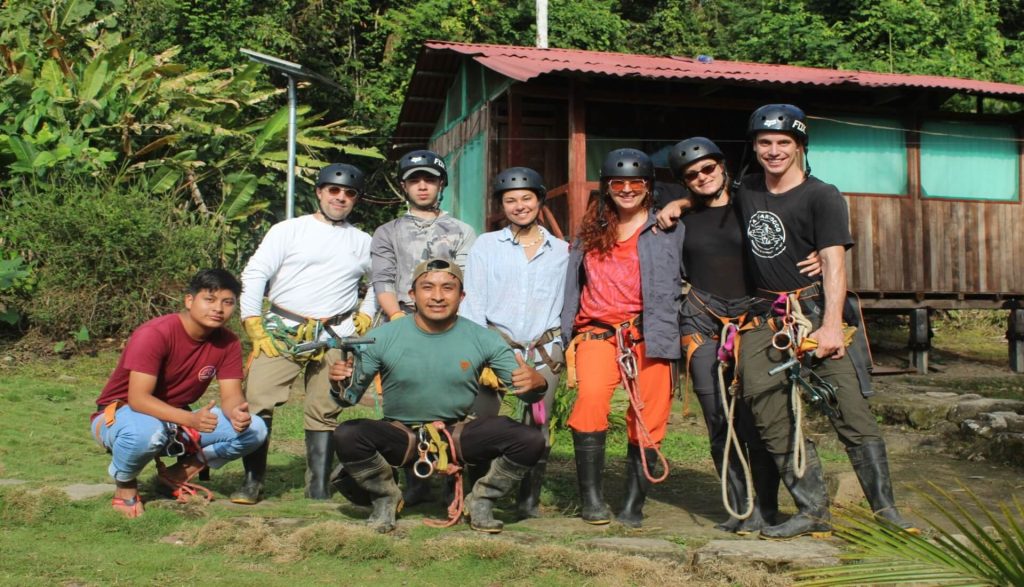
To begin with, it is essential to visualize the dramatic geographical shift. The journey to Manu involves a trip of between 8 and 12 hours, combining winding mountain roads and river navigation. That being said, the route is not merely a logistical necessity; it is an integral part of the adventure itself.
From the Andes to the Cloud Forest
The trip typically begins in the early hours of the morning in Cusco. As you leave the ancient Inca capital behind, the road climbs toward the historic town of Paucartambo, a place seemingly frozen in time. Subsequently, you will reach the Acjanaco Pass, the official gateway to the park, situated at an altitude of nearly 4,000 meters (13,123 feet).
- The Descent: From Acjanaco, the road drops dramatically. Consequently, you will witness the thin mountain air transform into the misty, humid embrace of the Cloud Forest. This unique ecosystem is the home of the Andean Cock-of-the-Rock and rare orchids found nowhere else on Earth.
- Arriving at the Port: After 8 to 10 hours of driving, the road ends at the river ports of Pilcopata or Atalaya. At this point, the dust of the road is traded for the rhythmic murmur of the water.
The Fluvial Phase: Navigating the Alto Madre de Dios
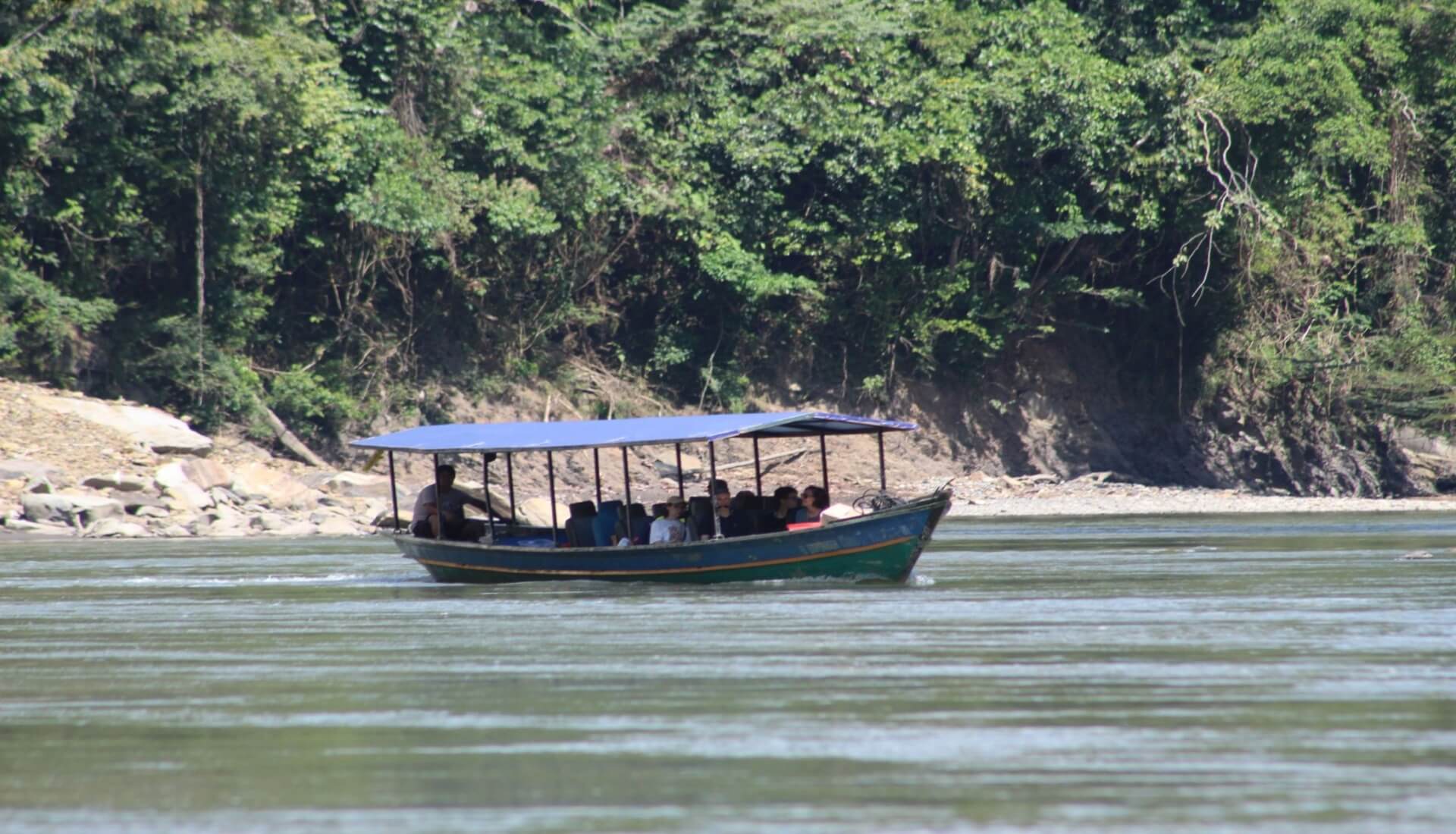
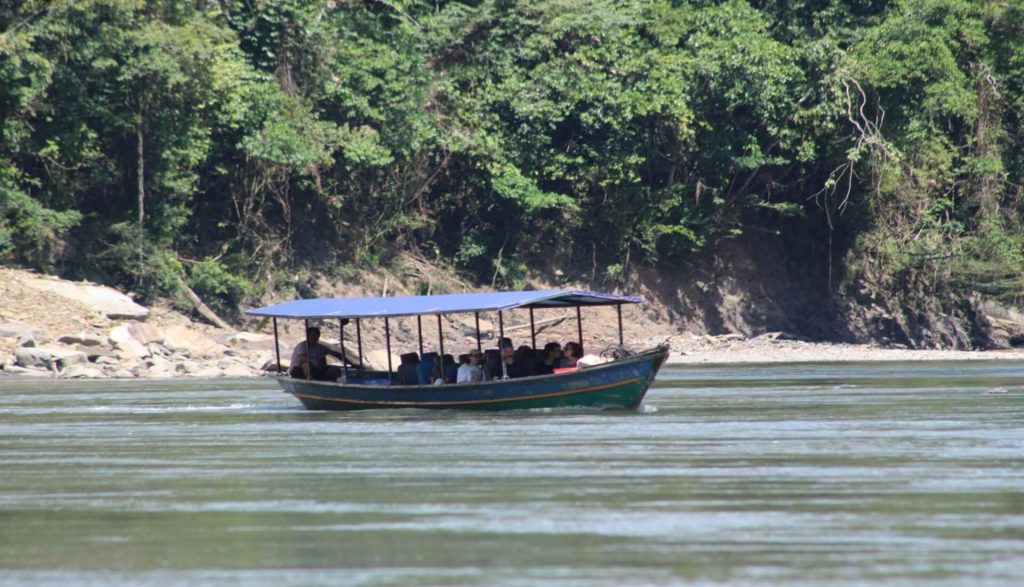
Once at the port, the only way forward is by water. Navigating the Alto Madre de Dios River can take anywhere from 1 to 4 hours.
Generally, motorized boats known as “peke-pekes” are used, specifically designed to navigate the currents and submerged logs of Amazonian rivers.
Thanks to this isolation, the areas you will visit remain among the most pristine ecosystems on the planet.
Transport Options: Guided Tours vs. Independent Travel
When it comes to planning, the inevitable question arises: can I go on my own, or do I need a tour? The short answer is that while independent travel is technically possible, the logistics of Manu are designed to be managed by experts.
1. Guided Tours: The Gold Standard (Most Recommended)
In the first place, guided tours are the safest and most efficient way to access the park. The primary reason is that a reputable operator manages the complex network of private transport and boat connections.
- Door-to-Door Logistics: You are picked up at your hotel in Cusco and dropped off at the door of your jungle lodge. Furthermore, you will have a specialized guide who not only knows the route but can spot wildlife that an untrained eye would easily miss.
- Permits Included: Entry to Manu requires strict government permits. Therefore, letting an agency handle this bureaucracy will save you days of frustration.
2. Alternative and Public Transport
On the other hand, if you are a traveler with a very tight budget and plenty of time, you might consider public transport. Nonetheless, be warned:
- Buses and “colectivos” from Cusco to towns like Pilcopata are not direct and are often uncomfortable.
- Logistical Difficulty: The biggest challenge is securing a boat at the port. Cargo boats do not have fixed schedules, and hiring a private boat for one or two people is often more expensive than the total cost of an organized tour.
Essential Tips for a Seamless Expedition in 2026
For your trip to be truly enjoyable, knowing how to get there isn’t enough; you must know how to prepare. Here are the key tips that make the difference between a rough trip and a sublime experience.
The Weather: Your Best Ally or Your Worst Enemy
Without a doubt, the most determining factor is the season.
- Dry Season (May to October): This is considered the “Golden Era.” Roads are dry, there are fewer mosquitoes, and animals frequently come to the riverbanks in search of water. In short, it is the ideal time for jaguar sightings.
- Wet Season (November to April): While the jungle looks spectacularly lush, heavy rains can cause landslides on the road from Cusco, delaying your trip by hours or even days.
Packing Strategies: The Art of Layering
Because you will be crossing from 4,000 meters in altitude down to 300 meters, your packing must be strategic.
- Thermal Layers: For crossing the Andes at dawn, the cold is piercing.
- Breathable Clothing: Once in the jungle, humidity hits 90%. Use synthetic materials that dry quickly; cotton never truly dries in the Amazon.
- Protection: DEET-based repellent, high-SPF sunscreen, and a wide-brimmed hat are non-negotiable items.
Health and Safety on the Road
One aspect we cannot ignore is physical health during the journey. The road to Manu is exciting but demanding.
- Acclimatization in Cusco: Before departing, ensure you have spent at least 48 hours in Cusco. Altitude sickness (soroche) can ruin your first day if you don’t give your body time to adapt.
- Motion Sickness: The road is famous for its infinite curves and unpaved sections.
- Accordingly, if you suffer from motion sickness, it is highly recommended to take preventive medication before leaving Cusco.
- River Safety: During the boat trip, the sun is intense and the engine noise constant.
- What’s more, the sun’s reflection on the water can cause severe sunburn in a very short time; stay covered even if there is a cool breeze.
Comments are closed