
Natural Tourist Destinations in Manu: An Unforgettable Journey into the Heart of the Peruvian Amazon
Peru is internationally recognized for its extraordinary natural, cultural and geographical diversity. From the impressive mountains of the Andes to the vast tropical forests of the Amazon, the country is home to remarkable landscapes that attract travelers from all over the world. Among these incredible destinations, Manu stands out as a privileged territory where nature preserves exceptional biodiversity and every journey offers an opportunity to discover new forms of life.
The natural tourist destinations in Manu offer an extraordinary opportunity for travelers who want to explore tropical rainforests, observe wildlife in its natural habitat, listen to birds singing at sunrise and discover ecosystems that play an important role in maintaining the planet’s ecological balance.
Furthermore, this region allows visitors to understand the importance of protecting Amazonian forests and appreciating the relationship between local communities and their natural environment.
In this context, Manu Jungle Trips aims to connect travelers with the remarkable natural attractions of this region through nature-based tourism, Amazon exploration and wildlife observation experiences.
Visiting Manu is not simply about discovering a tourist destination. It is also an opportunity to explore breathtaking landscapes, learn about tropical ecosystems and enjoy an unforgettable experience far away from the fast pace of modern cities.
But what makes Manu such a special destination? Which natural attractions should travelers explore? Where can visitors observe birds, mammals, reptiles and unique Amazonian plants?
In this comprehensive guide, we explore the most remarkable natural destinations in Manu and the surrounding Peruvian Amazon.
1. Manu National Park: One of Peru’s Most Extraordinary Natural Destinations
Manu National Park is one of the most important protected natural areas in Peru and an internationally recognized destination for biodiversity conservation.
Located between the departments of Cusco and Madre de Dios, the park protects an extensive territory of forests, mountains, rivers and tropical ecosystems.
Its remarkable geographical diversity creates different natural environments within the same protected area. These include mountain forests, cloud forests, transitional ecosystems and lowland Amazon rainforests.
Each ecosystem has unique environmental conditions that support a remarkable variety of plant and animal species.
In addition, Manu National Park was recognized as a UNESCO World Heritage Site because of its exceptional ecological and biological importance.
What Can You Discover in Manu National Park?
During an expedition through the region, visitors can explore different natural landscapes, observe Amazonian vegetation and learn about the importance of protected ecosystems.
Some of its main natural attractions include:
- Tropical rainforests: Extensive areas of Amazonian vegetation featuring giant trees, palm trees, vines and plants adapted to humid environments.
- Amazonian rivers: Waterways crossing different ecosystems and providing habitats for numerous wildlife species.
- Wildlife: Monkeys, birds, reptiles, amphibians and other animals native to tropical forests.
- Cloud forests: Mountain ecosystems characterized by high humidity and lush vegetation.
- Natural landscapes: Beautiful combinations of mountains, tropical vegetation, streams and rivers.
Moreover, Manu National Park is an important location for scientific research and the conservation of threatened species.
For nature lovers, exploring this region means getting closer to one of the most valuable ecosystems on Earth.
Exploring the Rainforest in Manu
One of the most fascinating aspects of visiting Manu is that every day can offer a different experience.
During the early morning hours, the rainforest begins to awaken with the songs of birds and the movement of wildlife among the trees.
Later, guided walks along natural trails allow visitors to identify trees, observe insects, recognize animal tracks and understand the relationships between different species.
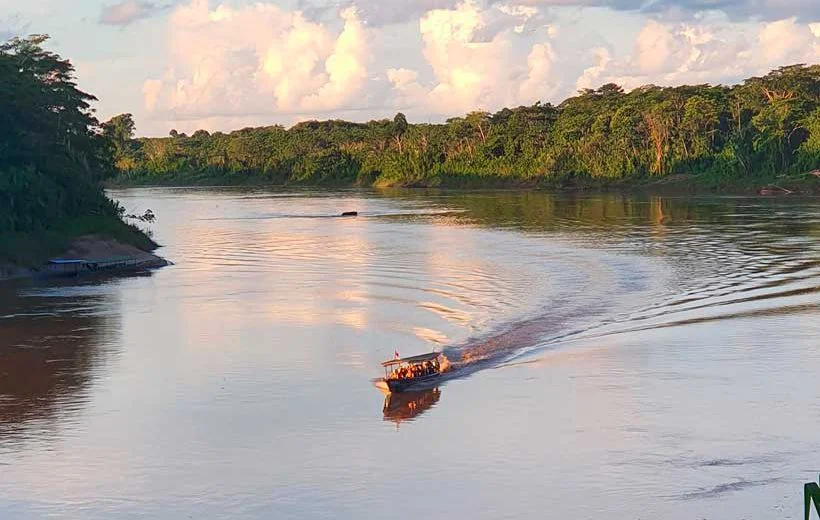
River excursions offer another perspective of the Amazonian landscape. From a boat, travelers can admire forest-covered riverbanks, discover aquatic birds and appreciate the vastness of tropical vegetation.
For these reasons, Manu National Park is an excellent destination for travelers interested in ecotourism, wildlife photography and biodiversity observation.
2. Manu Cultural Zone: Nature, Local Communities and Amazonian Landscapes
The Manu Cultural Zone includes territories where local communities, conservation initiatives and tourism activities coexist.
Unlike strictly protected areas, this zone allows certain human activities and tourism experiences according to the applicable regulations.
It is important to understand that the Cultural Zone is not the same as Manu National Park. Nevertheless, it forms part of the geographical and tourism environment that makes it possible to organize different Amazon exploration experiences.
What Natural Attractions Can You Find?
Some of the most representative attractions include:
- Tropical forests with abundant vegetation.
- Amazonian rivers and streams.
- Landscapes transitioning between the Andes and the Amazon.
- Birdwatching locations.
- Communities preserving traditional knowledge.
- Nature-based and rural tourism experiences.
Furthermore, this region offers interesting opportunities for travelers who want to discover the Amazon through experiences combining nature, culture and environmental education.
Why Visit the Manu Cultural Zone?
One of its main attractions is the opportunity to understand how Amazonian ecosystems interact with the daily activities of local communities.
Visitors may also learn about conservation initiatives, discover traditional uses of native plants and understand the importance of protecting tropical forests.
Therefore, visiting the Manu Cultural Zone provides a more complete experience of the natural and cultural diversity of the Peruvian Amazon.
3. Manu Cloud Forests: An Ecosystem Full of Life
Cloud forests are among the most fascinating ecosystems in the Manu region.
They are mainly found along the eastern slopes of the Andes and are characterized by high humidity, frequent mist and abundant vegetation.
As travelers descend from the Andean highlands toward the Amazon Basin, the landscape changes dramatically. Temperatures become warmer, vegetation becomes denser and new plant and animal species appear.
These forests are home to trees covered with moss, ferns, orchids, bromeliads and many different epiphytes.
Biodiversity in the Cloud Forests
One of the greatest attractions of these ecosystems is their biological diversity.
Some representative species found in different areas include:
- Andean cock-of-the-rock.
- Mountain toucans.
- Hummingbirds.
- Tanagers.
- Different monkey species.
- Wild orchids.
- Tree ferns.
The Andean cock-of-the-rock, scientifically known as Rupicola peruvianus, is one of Peru’s most iconic bird species.
Its colorful plumage and spectacular courtship displays make it particularly attractive to birdwatchers and wildlife photographers.
An Ideal Experience for Nature Photographers
Cloud forests offer special conditions for landscape, bird and plant photography.
The frequent mist creates beautiful natural scenery, while the abundant vegetation provides opportunities to capture fascinating details of rainforest life.
However, visitors should always maintain a respectful distance from wildlife and avoid using artificial sounds to attract animals.
In this way, photography can become an activity that supports appreciation and conservation of natural ecosystems.
4. Alto Madre de Dios River: A Natural Route into the Amazon
The Alto Madre de Dios River is one of the most important geographical features of the region and provides a connection between different Amazonian areas.
Its waterways offer beautiful landscapes featuring tropical forests, natural river beaches, vegetation-covered riverbanks and remarkable bird diversity.
For many travelers, navigating this river is one of the most memorable moments of a Manu expedition.
What Can You See During a River Excursion?
During boat trips, visitors may encounter:
- Herons and aquatic birds.
- Kingfishers.
- Cormorants.
- Birds resting on branches near the river.
- Turtles in certain areas.
- Different riverbank forest landscapes.
Additionally, river excursions help visitors understand the importance of waterways as ecological corridors connecting different Amazonian ecosystems.
Why Travel with Experienced Local Operators?
Navigating Amazonian rivers requires experience, knowledge of local conditions and respect for safety regulations.
For this reason, travelers should organize these activities through tourism operators who work with qualified personnel and appropriate equipment.
Manu Jungle Trips can present these experiences as part of its nature exploration programs, according to the routes and services actually available.
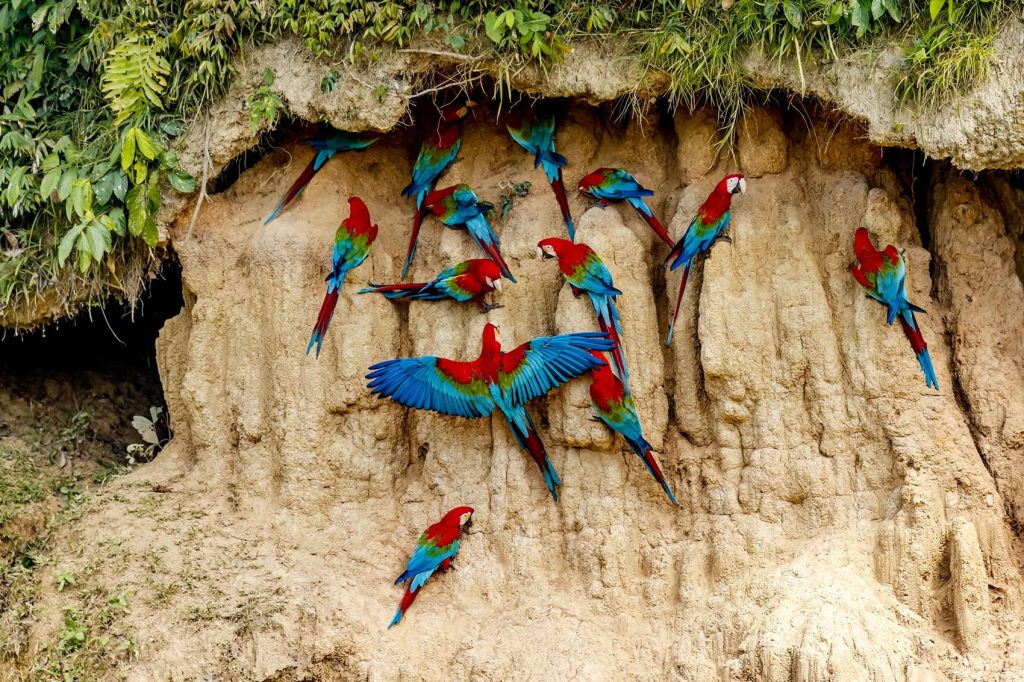
5. Macaw Clay Licks: One of the Amazon Rainforest’s Most Spectacular Natural Events
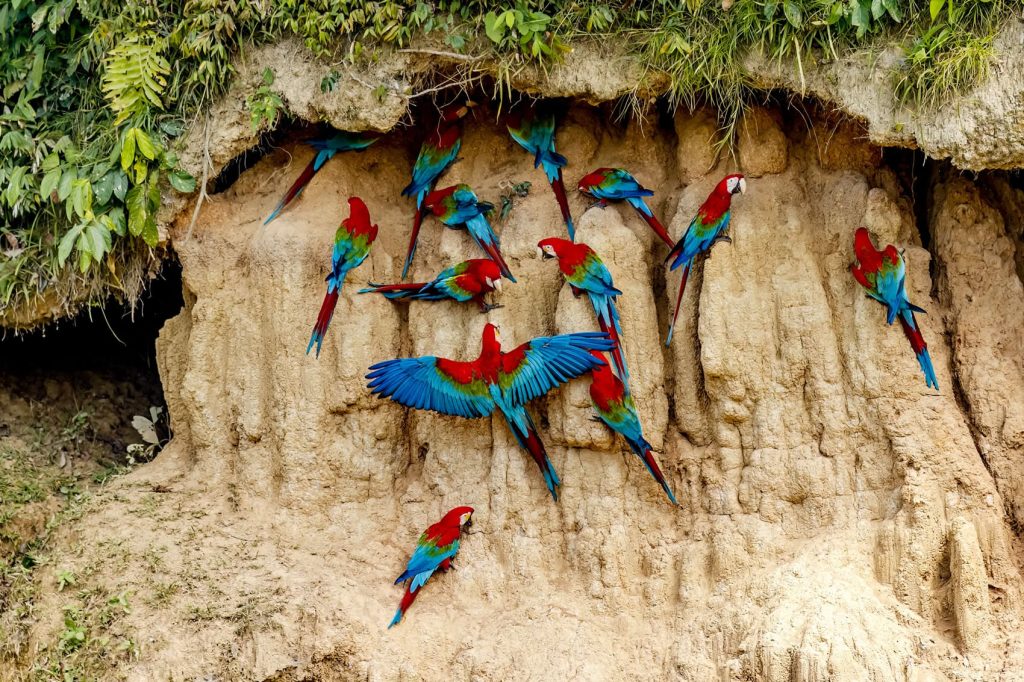
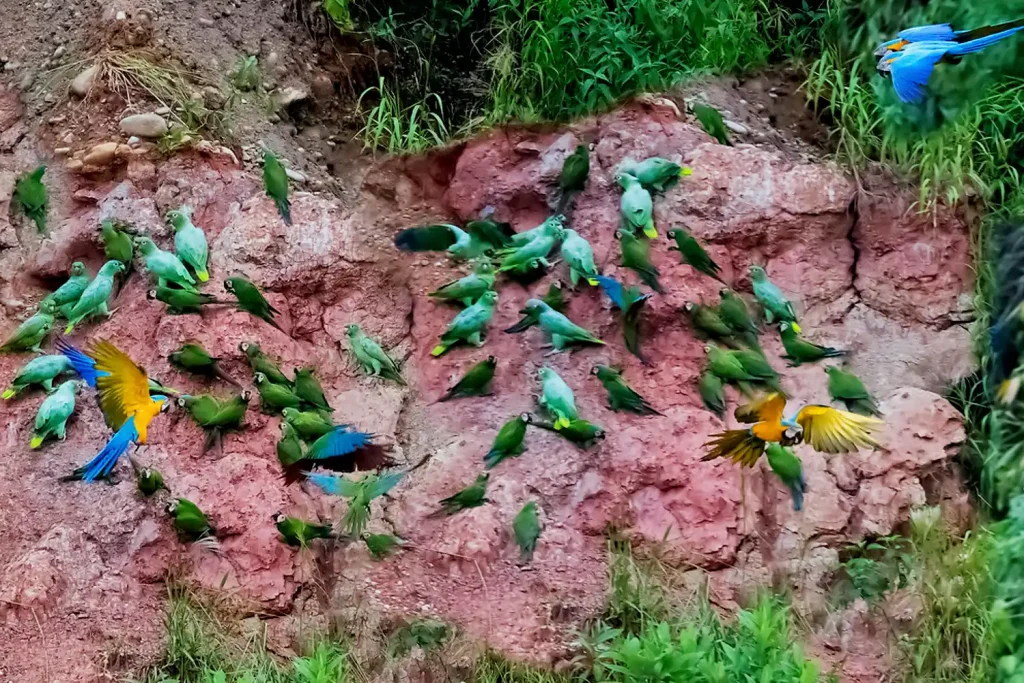
Macaw clay licks are natural locations where different species of parrots, parakeets and macaws gather to consume clay from exposed riverbanks or natural soil formations.
This behavior is one of the best-known wildlife spectacles in the Amazon and attracts travelers interested in birdwatching.
In certain areas of the Manu region and its surrounding Amazonian territory, visitors may have opportunities to observe these remarkable gatherings.
Why Do Macaws Visit Clay Licks?
Scientific research suggests that clay consumption may help birds obtain minerals and neutralize certain compounds present in their diet.
However, the exact functions of this behavior continue to be investigated.
Clay licks are also important for nature tourism because they provide opportunities to observe wild birds in their natural environment.
Bird Species You May Observe
Depending on the location, season and environmental conditions, visitors may encounter:
- Scarlet macaws.
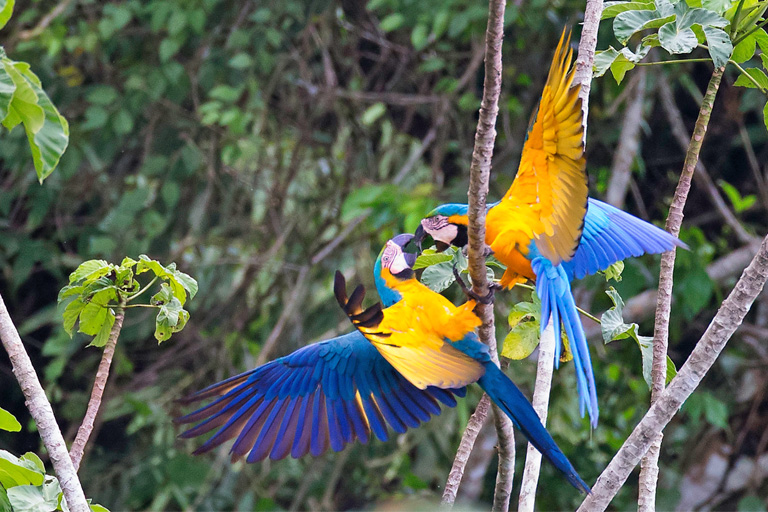
- Blue-and-yellow macaws.
- Blue-headed macaws.
- Mealy parrots.
- Amazonian parakeets.
Birdwatching usually takes place during the early morning, when different groups of birds may arrive at their feeding locations.
Tips for Visiting a Macaw Clay Lick
To enjoy this experience responsibly, consider the following recommendations:
- Visit with an experienced local guide.
- Remain quiet during wildlife observation.
- Avoid sudden movements.
- Never feed wild birds.
- Use binoculars to observe details.
- Respect the viewing distance established by authorized personnel.
Therefore, macaw clay licks provide an excellent opportunity to learn about Amazonian bird behavior without disturbing their natural activities.
6. Amazonian Lakes and Oxbow Lakes: Natural Refuges for Wildlife
Amazonian oxbow lakes are bodies of water that can form from former river channels, flooding events and natural landscape changes.
These aquatic environments are important because they provide food, shelter and breeding areas for many animal species.
The Amazon rainforest contains numerous lakes and oxbow lakes, each with its own ecological characteristics.
What Animals Live Around Amazonian Lakes?
Depending on the ecosystem, these environments may support:
- Giant otters.
- Caimans.
- Aquatic turtles.
- Amazonian fish.
- Herons.
- Kingfishers.
- Monkeys and other mammals visiting the riverbanks.
One of the most representative animals of these aquatic environments is the giant otter (Pteronura brasiliensis), an iconic species of Amazonian ecosystems.
Seeing a giant otter in the wild can become one of the most memorable moments of a nature expedition.
Why Are Amazonian Lakes Important?
Oxbow lakes are essential components of Amazonian ecosystems.
On one hand, they support different aquatic communities. On the other, they provide food resources for numerous terrestrial and aquatic species.
Furthermore, they contribute to important ecological processes involving water, sediments and vegetation.
Consequently, protecting these environments is essential for maintaining Amazonian biodiversity.
7. Birdwatching in Manu: A Paradise for Nature Enthusiasts
Manu is internationally recognized for its remarkable bird diversity.
Its different ecosystems provide habitats for species living in mountain forests, tropical rainforests, riverbanks and aquatic environments.
For this reason, it is one of Peru’s most interesting destinations for birdwatching.
Both experienced birders and beginners can enjoy this activity through guided excursions with knowledgeable local guides.
Representative Bird Species in Manu
Some iconic bird species found in different areas include:
- Andean cock-of-the-rock.
- Harpy eagle.
- Macaws.
- Toucans.
- Trogons.
- Hummingbirds.
- Tanagers.
- Kingfishers.
- Hoatzins.
- Amazonian herons.
The presence of each species depends on location, altitude, season and environmental conditions.
When Is the Best Time for Birdwatching?
Early morning generally offers excellent opportunities to observe different bird species because many birds are more active during this period.
Likewise, late afternoon can be interesting for observing species moving toward their resting areas.
However, each species has different behavioral patterns, so traveling with an experienced birdwatching guide can significantly improve the experience.
Recommended Equipment for Birdwatching
If you are planning a birdwatching trip to Manu, consider bringing:
- Good-quality binoculars.
- A camera with a telephoto lens.
- A bird identification guide.
- A notebook for recording observations.
- Neutral-colored clothing.
- Appropriate hiking footwear.
- Rain protection.
Additionally, avoid playing bird calls indiscriminately, especially in sensitive areas used for breeding or feeding.
8. Tambopata National Reserve: Another Essential Natural Destination in the Peruvian Amazon
Although Tambopata National Reserve is not located inside Manu National Park, it is one of the most important natural destinations in Madre de Dios and can complement an Amazon exploration experience in southeastern Peru.
This protected area is famous for its tropical forests, rivers, lakes, macaw clay licks and remarkable wildlife diversity.
Its proximity to Puerto Maldonado makes it relatively accessible to travelers interested in Amazon lodges and guided nature experiences.
Main Attractions in Tambopata
Some of the best-known natural attractions include:
- Lake Sandoval.
- Macaw clay licks.
- Floodplain forests.
- Rivers and streams.
- Nature interpretation trails.
- Wildlife observation areas.
Tambopata is particularly interesting for travelers who want to combine river navigation, hiking, photography and wildlife observation.
What Is the Difference Between Manu and Tambopata?
Both destinations have exceptional biodiversity, but they offer different geographical and logistical experiences.
Manu includes a wide altitudinal gradient with Andean ecosystems, cloud forests and Amazonian lowland rainforests.
Tambopata, on the other hand, is especially known for its lowland Amazonian ecosystems and tourist access from Puerto Maldonado.
Therefore, choosing between these destinations depends on travel time, preferred activities and the type of experience visitors are looking for.
9. Lake Sandoval: One of the Most Beautiful Natural Attractions in Madre de Dios
Lake Sandoval is one of the most famous nature tourism destinations in Madre de Dios.
Located within Tambopata National Reserve, the lake is known for its calm waters, flooded forests and remarkable biodiversity.
Access generally involves a river transfer and a walk along authorized trails, followed by a canoe excursion on the lake, depending on current conditions and visitor regulations.
What Wildlife Can You See at Lake Sandoval?
Some representative species include:
- Giant otters.
- Black caimans.
- Macaws.
- Howler monkeys.
- Capybaras.
- Herons.
- Kingfishers.
Wildlife sightings are never guaranteed because animals live freely in their natural habitats and their movements depend on environmental conditions.
What Activities Can You Enjoy?
Visitors can experience several nature-based activities:
- Environmental interpretation walks.
- Canoe excursions.
- Birdwatching.
- Wildlife photography.
- Wildlife observation.
- Identification of Amazonian plants.
Consequently, Lake Sandoval is an excellent destination for travelers who want to discover the aquatic ecosystems of the Peruvian Amazon.
10. Iquitos Amazon Rainforest: Exploring Northern Peru’s Tropical Forests
The Amazon region around Iquitos is another important nature destination in Peru.
Located in the department of Loreto, this region provides access to different ecosystems connected to the Amazon River and its tributaries.
Although geographically separate from Manu and Tambopata, it offers complementary experiences for travelers who want to explore different parts of the Peruvian Amazon.
Main Nature Experiences in Iquitos
Some of the most popular activities include:
- Boat excursions along the Amazon River.
- River dolphin observation.
- Tropical rainforest walks.
- Visits to conservation areas and reserves.
- Birdwatching.
- Learning about traditional medicinal plants.
- Cultural experiences with local communities.
Furthermore, the areas surrounding Iquitos provide opportunities to explore flooded forests and ecosystems that change according to seasonal river levels.
Why Visit the Amazon Rainforest in Iquitos?
This destination is especially attractive for travelers interested in exploring large Amazonian rivers, discovering tropical forests and learning about the culture of riverside communities.
It is also a great alternative for visitors who have additional time and want to explore different regions of the Peruvian Amazon.
11. Manu Wildlife and Plants: Extraordinary Natural Diversity
One of the main reasons to visit Manu is its exceptional biodiversity.
The combination of different altitudes, temperatures, rainfall patterns and geographical conditions creates numerous natural habitats.
As a result, this region supports an extraordinary variety of plants, mammals, birds, reptiles, amphibians and insects.
Amazonian Mammals
Some of the most representative mammals found in Manu and surrounding ecosystems include:
- Jaguar.
- South American tapir.
- Peccaries.
- Capuchin monkeys.
- Howler monkeys.
- Spider monkeys.
- Giant otters.
- Spectacled bears in certain mountain areas.
The possibility of observing these species depends on their habits, population density, habitat conditions and the characteristics of each excursion.
For example, jaguars are naturally elusive animals, so sightings in the wild should never be considered guaranteed.
Amazonian Birds
Birds are among the most attractive wildlife groups for visitors.
Their colors, songs and behaviors provide excellent opportunities for wildlife observation throughout the day.
Furthermore, many bird species perform essential ecological functions, including seed dispersal and insect population control.
Tropical Plants and Trees
Amazonian vegetation is another major attraction of Manu.
Some characteristic elements include:
- Giant tropical trees.
- Palm trees.
- Vines.
- Orchids.
- Bromeliads.
- Ferns.
- Traditionally used medicinal plants.
Learning about this vegetation helps visitors understand how tropical forests function and why their conservation is essential.
12. What Is the Best Time to Visit the Natural Destinations in Manu?
The Manu region has a tropical climate, although important differences exist depending on altitude and geographical location.
Generally, the year includes periods of heavier rainfall and relatively drier months.
Relatively Dry Season
Between May and October, many areas of southeastern Amazonia generally experience relatively less rainfall.
During these months, some road routes and forest trails may offer more favorable conditions for certain excursions.
This is also an interesting season for wildlife photography and nature expeditions.
However, rain can occur at any time of the year.
Rainy Season
Between November and April, more frequent rainfall is common in many Amazonian areas.
This season transforms the landscape, raises river levels and changes access conditions in certain locations.
Moreover, some travelers enjoy visiting the rainforest during these months because vegetation becomes particularly lush.
Which Season Should You Choose?
The best season depends on your preferred activities.
If your main interests are birdwatching, nature photography or exploring different ecosystems, it is advisable to check the specific conditions of your destination and consult local tour operators before traveling.
13. How to Get to the Natural Tourist Destinations in Manu
Planning a trip to Manu requires considering travel distances, geographical conditions and available transportation options.
One of the most well-known routes begins in the city of Cusco and continues toward different areas of the Amazon region.
Traveling from Cusco
The journey may include:
- Departure from Cusco.
- Travel through mountainous areas.
- Descent through cloud forest landscapes.
- Arrival in towns located in the Amazon transition zone.
- Continuation by authorized road or river routes, depending on the itinerary.
Travel time depends on the specific destination, road conditions, weather and type of expedition.
Transportation and Trip Planning
Because of the region’s geographical characteristics, it is advisable to organize transportation in advance.
Travelers should consider:
- Road conditions.
- Travel duration.
- River transportation when required.
- Personal equipment.
- Food services.
- Accommodation.
- Entry permits and restrictions.
Consequently, planning a trip with an operator familiar with local routes and conditions can make the experience considerably easier.
14. Responsible Tourism: How to Visit Manu Without Harming Its Biodiversity
Nature tourism should follow principles of environmental respect, conservation and social responsibility.
Manu is an ecologically important territory, so every visitor has a responsibility to help protect it.
Recommendations for a Responsible Journey
Respect wildlife. Never feed animals, attempt to touch them or get too close for photographs.
Do not leave waste behind. Carry all your rubbish with you during excursions.
Stay on authorized trails. Avoid entering restricted areas or sensitive conservation zones.
Follow your guide’s instructions. Local guides understand the environment and the regulations governing visitor activities.
Respect local communities. Ask permission before photographing people and respect their traditions and cultural spaces.
Avoid purchasing products made from protected wildlife species. This helps reduce activities that threaten biodiversity.
Furthermore, choosing tourism operators that respect environmental regulations and promote responsible practices is essential.
15. Why Explore Manu’s Natural Destinations with Manu Jungle Trips?
Exploring the Peruvian Amazon requires planning, knowledge of the territory and proper organization of activities.
Manu Jungle Trips aims to connect travelers with nature experiences in the Manu region and other Amazonian destinations through opportunities to discover landscapes, biodiversity and local culture.
When organizing a nature expedition, it is important to consider several aspects:
- Selecting destinations according to visitors’ interests.
- Providing clear information about routes and activities.
- Offering guidance on the necessary equipment.
- Organizing transportation and accommodation.
- Working with qualified personnel.
- Respecting conservation regulations.
- Providing information about local travel conditions.
Whether you want to explore cloud forests, navigate Amazonian rivers, observe macaws or enjoy a specialized birdwatching expedition, proper planning will help you make the most of your journey.
The itinerary will depend on the duration of your visit, your budget and access conditions for each destination.
Therefore, before confirming an expedition, it is advisable to check the services included, the locations to be visited and the characteristics of each excursion.
16. Frequently Asked Questions About Natural Tourist Destinations in Manu
Where Is Manu National Park Located?
Manu National Park is located in southeastern Peru, between the departments of Cusco and Madre de Dios. It protects several ecosystems ranging from mountain environments to tropical Amazonian forests.
What Natural Places Can You Visit in Manu?
The region’s main attractions include cloud forests, Amazonian rivers, tropical forests, macaw clay licks and different wildlife observation areas. Specific destinations depend on authorized access zones and the chosen itinerary.
Can You See Wildlife in Manu?
Yes. Manu is home to extraordinary wildlife diversity, including monkeys, birds, reptiles and Amazonian mammals. However, sightings depend on natural conditions and are never guaranteed.
Is Manu a Good Destination for Birdwatching?
Yes. Manu is one of Peru’s most interesting birdwatching destinations because of its diverse ecosystems and remarkable bird species. Visitors may observe macaws, toucans, hummingbirds, tanagers and other representative birds.
What Is the Best Time to Visit Manu?
The months between May and October generally experience relatively less rainfall in many areas of southeastern Amazonia. Nevertheless, the ideal season depends on the activity, destination and weather conditions.
How Many Days Do You Need to Visit Manu?
The required duration depends on the destination and type of experience. A shorter excursion may allow visitors to explore certain areas, while a multi-day expedition provides more opportunities to discover different ecosystems and observe wildlife.
Are Manu National Park and Tambopata the Same Destination?
No. They are different protected natural areas in southeastern Peru. Both are famous for their biodiversity, but they offer different geographical characteristics, access routes and tourism experiences.
Can You Visit Lake Sandoval During a Trip to Manu?
Lake Sandoval is located within Tambopata National Reserve in Madre de Dios, not inside Manu National Park. It is possible to organize a trip that includes both destinations if sufficient time is available and transportation is planned properly.
What Should I Pack for a Trip to the Manu Rainforest?
Recommended items include lightweight long-sleeved clothing, hiking shoes, a rain jacket, insect repellent, sunscreen, a flashlight, a reusable water bottle, binoculars and a suitable backpack.
Do You Need a Guide to Visit Manu?
Guide requirements depend on the specific area and activities. Visitors must follow the entry conditions and regulations established by the relevant authorities. For a safer and more educational experience, traveling with qualified local personnel is recommended.
17. Discover the Peruvian Amazon with Manu Jungle Trips
The natural tourist destinations in Manu offer much more than breathtaking landscapes. They provide an opportunity to discover one of Peru’s most biologically diverse territories, explore extraordinary ecosystems and understand the importance of protecting Amazonian forests.
From cloud forests to tropical rivers, from the songs of macaws to the observation of mammals in their natural habitat, every experience reveals a different part of the Amazon.
Furthermore, the region offers opportunities for different types of travelers, including wildlife photographers, birdwatchers, researchers, families interested in nature and adventurers who want to explore the Amazon.
Therefore, if you are planning a journey to this extraordinary region, start by choosing the destination that best matches your interests and checking access conditions, available activities and conservation recommendations.
Manu Jungle Trips invites you to discover the natural richness of the Peruvian Amazon and enjoy a responsible exploration experience in one of Peru’s most fascinating regions.
The rainforest is waiting for you. Discover its landscapes, listen to its sounds and experience the biodiversity that makes Manu a truly extraordinary destination.
Comments are closed